
AWS Puts $200 Billion Into Power, Not Just Servers
Cloud computing has always been about servers. AWS just made it clear that the next decade is about power. The company has committed $200 billion in capital spending, and the plan behind it is energy first.
That is the largest commitment in cloud computing history, and it is aimed at something most people never think about: the electricity bill behind every data center.

What Happened
- AWS: $200 billion in capex, with an energy-first strategy.
- Microsoft Azure: $120 billion+, built around nuclear and solar.
- Google Cloud: $175 billion, leaning on small modular reactors and carbon-free power.
- AWS has contracted capacity in Virginia and Ohio, signing direct deals with private power plants. That keeps its data centers running without loading up the residential grid.
Why It Matters
Electricity is around 40% of a data center's operating costs. When power prices swing, margins swing with them, so long-term contracts buy the cloud business something it badly wants: predictable costs.
That is why AWS now looks less like a hosting company and more like a utility-scale energy buyer. The same logic sits behind Azure's nuclear and solar bets and Google's carbon-free push. The cloud race is no longer only about compute and storage. It is about who can lock in the cheapest power.
Does this still work?
Nobody's checked yet
Sign in to tell everyone how it went.
Continue with GoogleBe the first — one tap saves the next person an hour.
It takes 3 reports in 30 days to set the status.
More shares you might like
 NewsTanStack Start 1.0 Is Stable16h17 views
 AIDolphin 2.9.2 Runs Uncensored Llama 3 8B on 6GB VRAM16h19 views
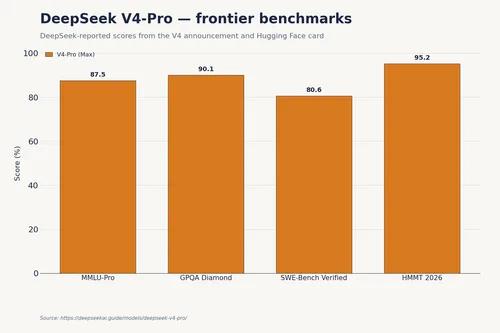 NewsDeepSeek V4 Pro Is a 1.6T Open-Weight Model With a 1M Context1d29 views
 AIHermes 3: An Uncensored 70B Model That Runs on Two GPUs1d24 views
 NewsOpenCode 2.0 Ships Background Tasks and Subagents1d24 views
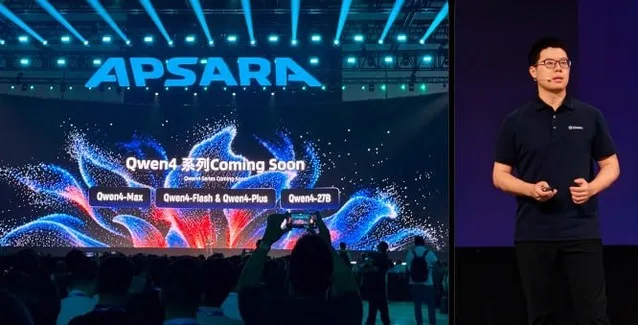 AIAlibaba Reveals Qwen4 Series: Max, Plus, Flash and 27B2d33 views
Comments
Join the conversation — sign in to comment.
No comments yet — start the conversation!