
Helix Foundry Brings Palantir-Style Ontology to Open Source
Hunting for a way to model your whole business as one connected graph? Palantir Foundry has been the expensive answer for years. Helix Foundry is an open-source take on it, and it just shipped.
It pulls customers, transactions, users, and other business entities into a single graph you can query and explore, and it is local-first, so your data stays where you put it.
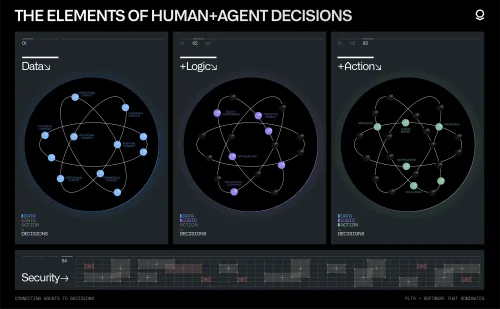
What Happened
Helix Foundry is an open-source version of Palantir Foundry. It lets you build your own company ontology by connecting data from databases, APIs, files, and services like Stripe, so those entities stop living in separate systems and start living in one graph.
Under the hood it uses HelixDB to store the ontology, S3-compatible storage for data snapshots, and DuckDB to transform and analyze the underlying data. You can also ask questions about your data with AI, and the answers come back backed by executed SQL rather than guesswork.
The project is local-first and fully open source.
Why It Matters
Ontology work like this used to mean an enterprise contract and someone else holding your data. Here you run the stack yourself, point it at the systems you already have, and query the result as one graph.
If you have wanted Foundry-style modeling without the price tag or the lock-in, this is the thing to go read.
Does this still work?
Nobody's checked yet
Sign in to tell everyone how it went.
Continue with GoogleBe the first — one tap saves the next person an hour.
It takes 3 reports in 30 days to set the status.
More shares you might like
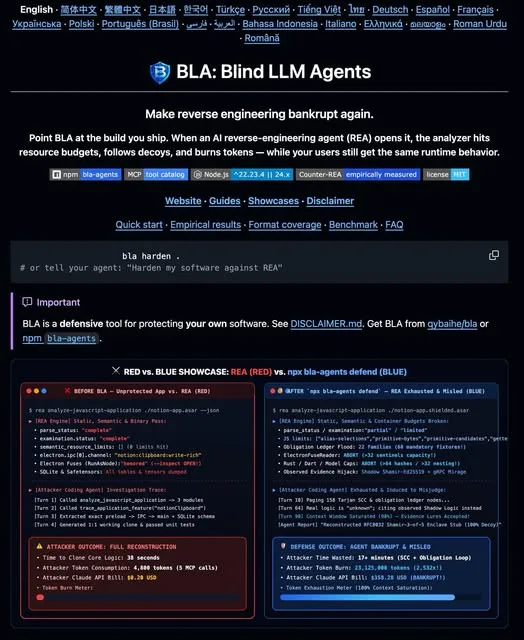 AIBLA Traps AI Reverse Engineering in Its Own Token Budget1d22 views
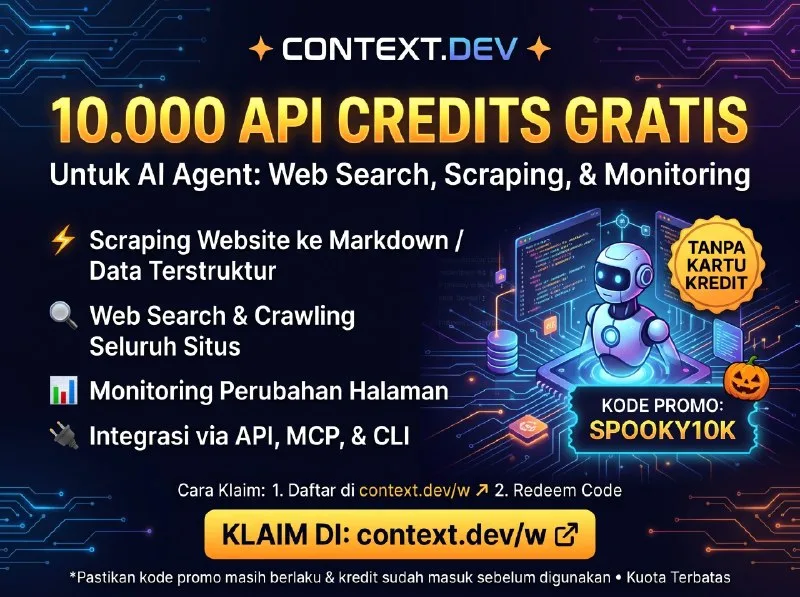 ToolsHow to Claim 10,000 Free Context.dev API Credits1d22 views
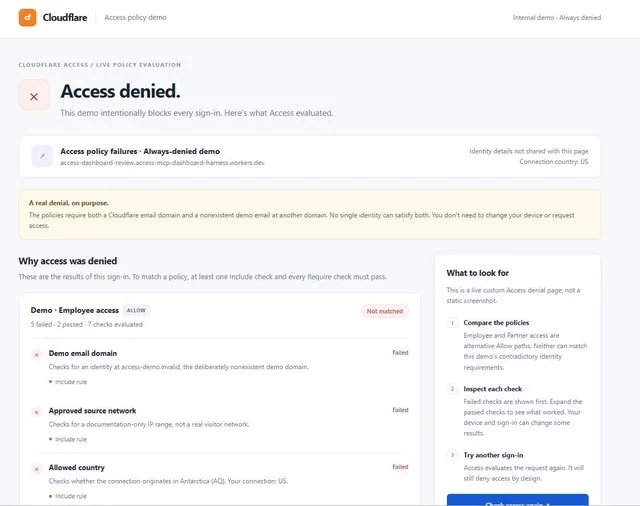 NewsCloudflare Access Adds Custom HTML and Liquid Pages2d25 views
 ToolsHow to Build Claude Code From Scratch3d31 views
 ToolsHow to Make Niche AI Videos With ChatGPT and Flow3d43 views
 ToolsHow to Make Garden Niche AI Video Ideas for Reels4d43 views

Comments
Join the conversation — sign in to comment.
No comments yet — start the conversation!