
How to Sanction-Proof Your Cloud and Chip Dependencies
Running your whole stack on one cloud provider in one jurisdiction feels fine until export rules change. This share covers the three checks that keep you running when they do.
Two things move fast. Defense tech buying can pull semiconductor stock out of the market before prices react, and modern sanctions can cut cloud access and data transit routes in one stroke. The teams that stay up are the ones who mapped this out before the news broke.
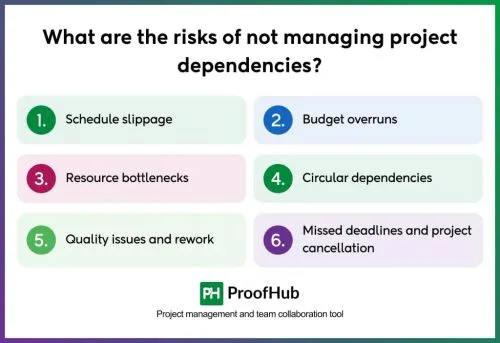
Tutorial
- Audit every cloud vendor and semiconductor dependency in your architecture. Defense tech demand can absorb chip stock before the market notices, so shortages reach you late.
- Map alternative routes for anything tied to a single vendor or region. Sanctions can close off access to repositories and infrastructure, and a locked registry stops your deploys cold.
- Give your systems an independent failover option outside conflict-prone regions. A stack locked to one jurisdiction goes down as soon as export regulations tighten.
Wrapping Up
You now have three places to look: your dependency list, your transit routes, and your failover plan. Work through them while things are quiet, because none of this is easy to fix once a rule change lands.
Does this still work?
Nobody's checked yet
Sign in to tell everyone how it went.
Continue with GoogleBe the first — one tap saves the next person an hour.
It takes 3 reports in 30 days to set the status.
More shares you might like
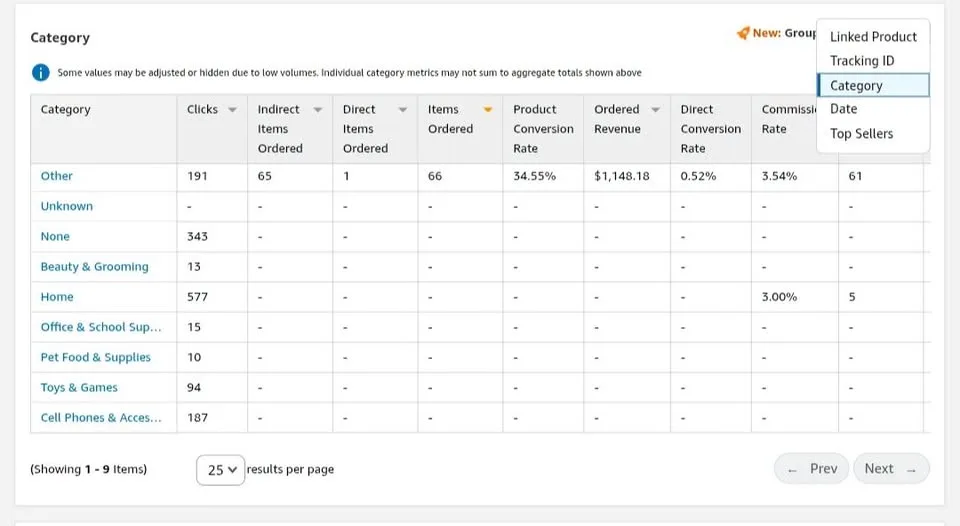 ToolsHow to Use Group By in Amazon Associates Reports15h21 views
 ToolsHow to Make Fireworks AI Videos With ChatGPT and Flow15h15 views
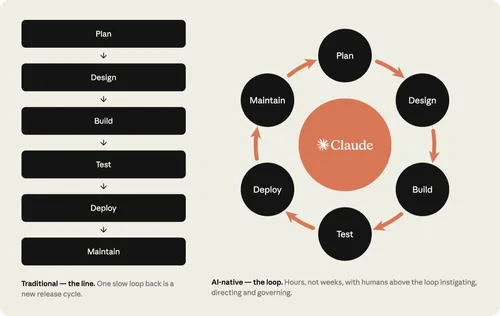 AIAnthropic's AI-Native SDLC Playbook, Explained2d32 views
 NewsTanStack Start 1.0 Is Stable3d41 views
 AIDolphin 2.9.2 Runs Uncensored Llama 3 8B on 6GB VRAM3d34 views
 NewsDeepSeek V4 Pro Is a 1.6T Open-Weight Model With a 1M Context3d50 views
Comments
Join the conversation — sign in to comment.
No comments yet — start the conversation!