
Anthropic's AI-Native SDLC Playbook, Explained
Claude Code can open a pull request in an afternoon. Getting that same change through security review, product sign-off, and the release meeting still eats a week. Anthropic's AI-native SDLC playbook is their answer to that mismatch.
Nothing here is a product you install. It is a way of wiring up plan, review, and release so an agent can run them, with people standing on the gates.
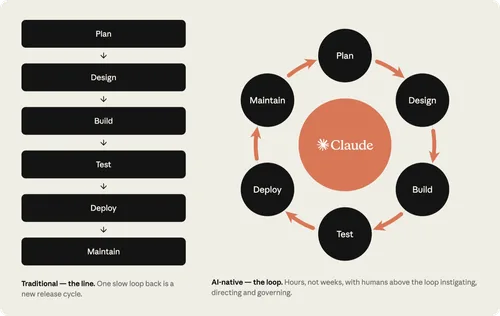
What Happened
The playbook starts from a problem teams already feel. Those review groups were sized for people typing the code, so when the agent outruns them, the review queue fills up. Worse, code ships that nobody bothered to review, and regulated enterprises cannot run like that.
The fix moves plan, review, and release into something an agent can run. Each stage writes a file the next stage reads: intent.md, spec.md, and plan.md.
A product person can start intent.md, and an engineer accepts the plan before any files change. If a production metric triggers an alarm, the system can file a new intent.md and the same pipeline picks it up.
The playbook also leans on versioned intent, specs and plans, skills for policy and hooks for enforcement, plus continuous evals and gated deployment.
Why It Matters
If your review process was built around humans typing every line, it will not keep up with an agent that writes faster than the queue drains. Writing intent, spec, and plan to files gives the agent something to read and the humans something to approve.
That is the trade the playbook is making: the agent does the running, and people keep the gates where a signature actually matters, including the ones a regulated shop has to have.
Does this still work?
Nobody's checked yet
Sign in to tell everyone how it went.
Continue with GoogleBe the first — one tap saves the next person an hour.
It takes 3 reports in 30 days to set the status.
More shares you might like
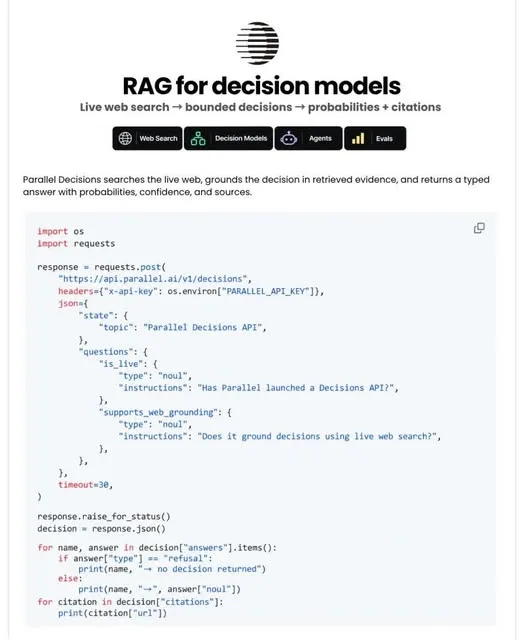 AIParallel's Decisions API Grounds Decision Models With Live Web Search20h27 views
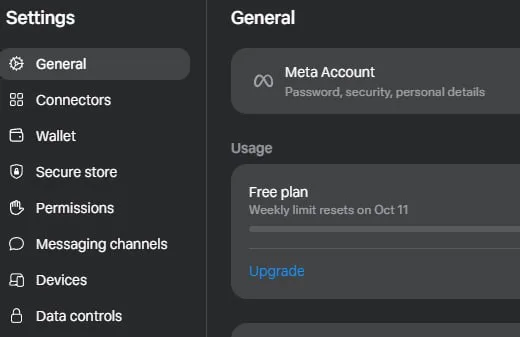 How to Claim 1B Muse AI Tokens1d45 views
 ToolsHow to Use Rich Clicker Macro's Smart Auto Clicker1d31 views
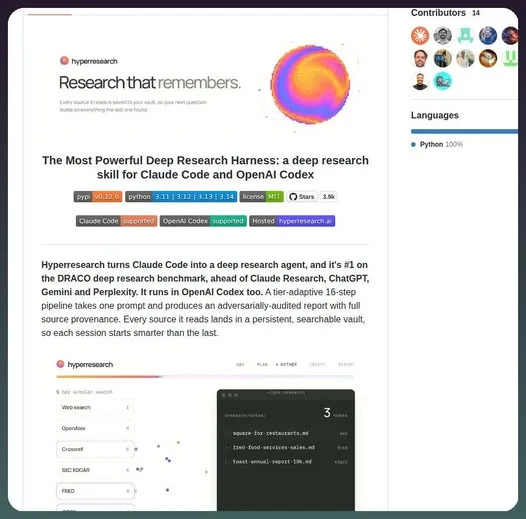 AIHow to Install hyperresearch for Deep Research in Claude Code3d49 views
 ToolsHow to Set Up Free Temp Email With XTemp Mail3d60 views
 NewsGrabFood Vermuk Bypass: No Working Termux Script Exists4d54 views

Comments
Join the conversation — sign in to comment.
No comments yet — start the conversation!