Chasing the newest leaked frontier model has turned into a spectator sport. Meanwhile the quieter change is that open weights you can download and quantize now run locally and handle work you used to send off to an API. Not magic — just good enough, and fully in your control.
That is worth two minutes because control is the part an API cannot hand you. The models are not a breakthrough, they are just good enough, and they sit on your hardware instead of someone else's.
What Happened
Attention keeps landing on the latest leaked frontier model, but the practical shift is happening somewhere else. Open weights, quantized to fit the machine you already have, now cover work that used to require a call out to an API.
The framing is deliberately modest: not magic, just good enough and fully in your control. No launch, no benchmark table, no leaderboard position — just models you can run yourself.
Why It Matters
The advice that comes with it is to stop watching benchmark charts all day. Pick one open model that fits your machine, quantize it, put it behind your app, and measure it on your own tasks instead of on someone else's test set.
Leaks and leaderboards are noise. They change weekly, and none of them tell you how a model performs on the thing you actually build. Owning your inference is the advantage that stays: the weights are yours, the measurements come from your work, and the terms cannot move under you overnight.

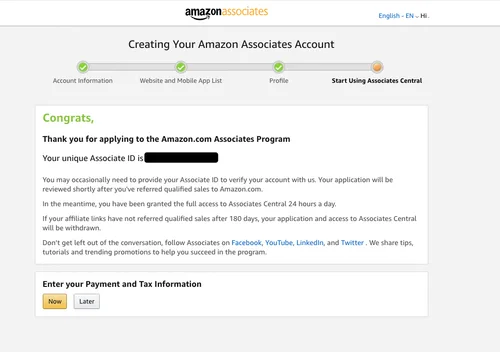 ToolsHow to Prepare for Amazon Affiliate Before You Sign Up1h11 views
 ToolsHow to Make an AI Drama With Google Flow1d33 views
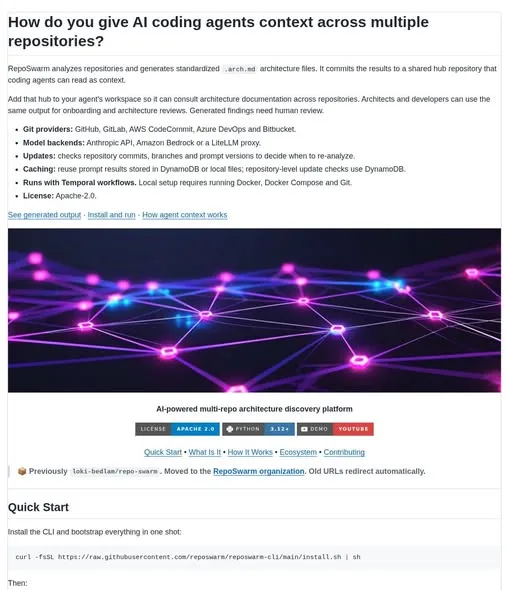 AIRepoSwarm Gives AI Coding Agents Multi-Repo Context2d40 views
 Newsn8n Labs Ships Nod, an Open-Source Agent for Small Chores3d44 views
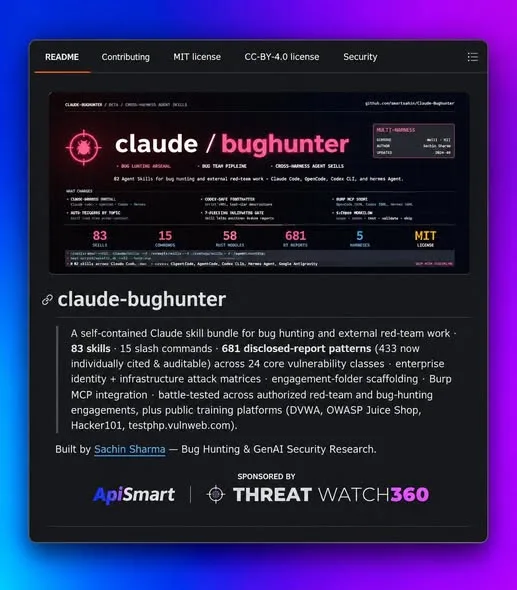 NewsClaude BugHunter Packs 83 Security Skills for AI Agents4d59 views
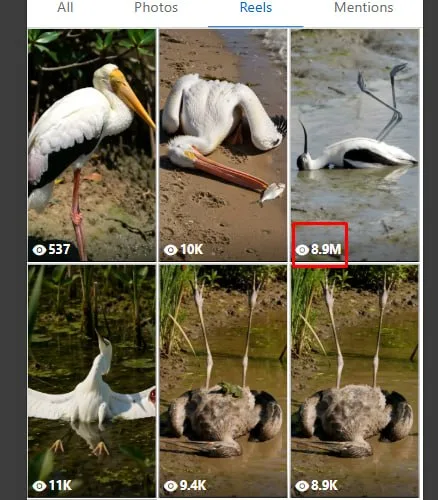 ToolsHow to Make Wildlife Reels With ChatGPT and Google Flow6d71 views


Comments
Join the conversation — sign in to comment.
No comments yet — start the conversation!