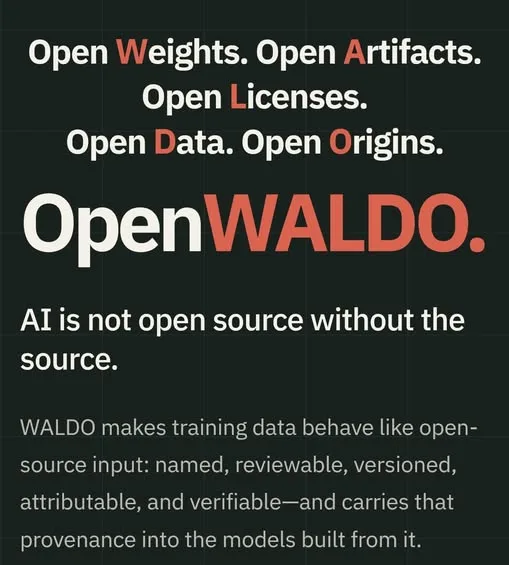
OpenWALDO Brings Open Source Transparency to AI Training Data
Ever wished you could trace exactly where an AI model's training data came from? The creator of CentOS and Rocky Linux is building a dataset that makes that possible.
OpenWALDO packs about 202.8 billion tokens from government records, academic research, mailing lists, and public domain books — and every token can be traced back to its source.
What Happened
Gregory Kurtzer, the founder of CentOS and Rocky Linux, just launched OpenWALDO. It is an open, transparent dataset for AI training, built on roughly 202.8 billion tokens from sources like government records, academic research, mailing lists, and public domain books.
The core idea is simple: every token is traceable to its source, every source is documented, and every license is accounted for. No more wondering whether a rare book got scraped without permission.
Kurtzer argues Linux won not because it was certified safe, but because people could inspect it, fork it, and have the whole community review and test it. He thinks the same logic should apply to AI. Any lab or company can take the OpenWALDO corpus, verify the sources, add its own proprietary data, and build a model with a clear, auditable lineage.
The project is funded by CIQ, Kurtzer's company behind Rocky Linux, and it is looking for contributors.
Why It Matters
Most models today are built on datasets assembled from random web scraping, with sources that are hard to pin down. OpenWALDO offers an alternative: a base corpus where the provenance of every token is known. If labs and companies build on it, we get AI models with real accountability — the same way open source transformed operating systems. The open question is whether that approach can win in AI the way it did with Linux.
Does this still work?
Nobody's checked yet
Sign in to tell everyone how it went.
Continue with GoogleBe the first — one tap saves the next person an hour.
It takes 3 reports in 30 days to set the status.
More shares you might like
 AIHow to Get Free $200 Funds on Digital Ocean1y838 views
 AIHow to Claim 100M Free Tokens on CodeCraft API1w629 views
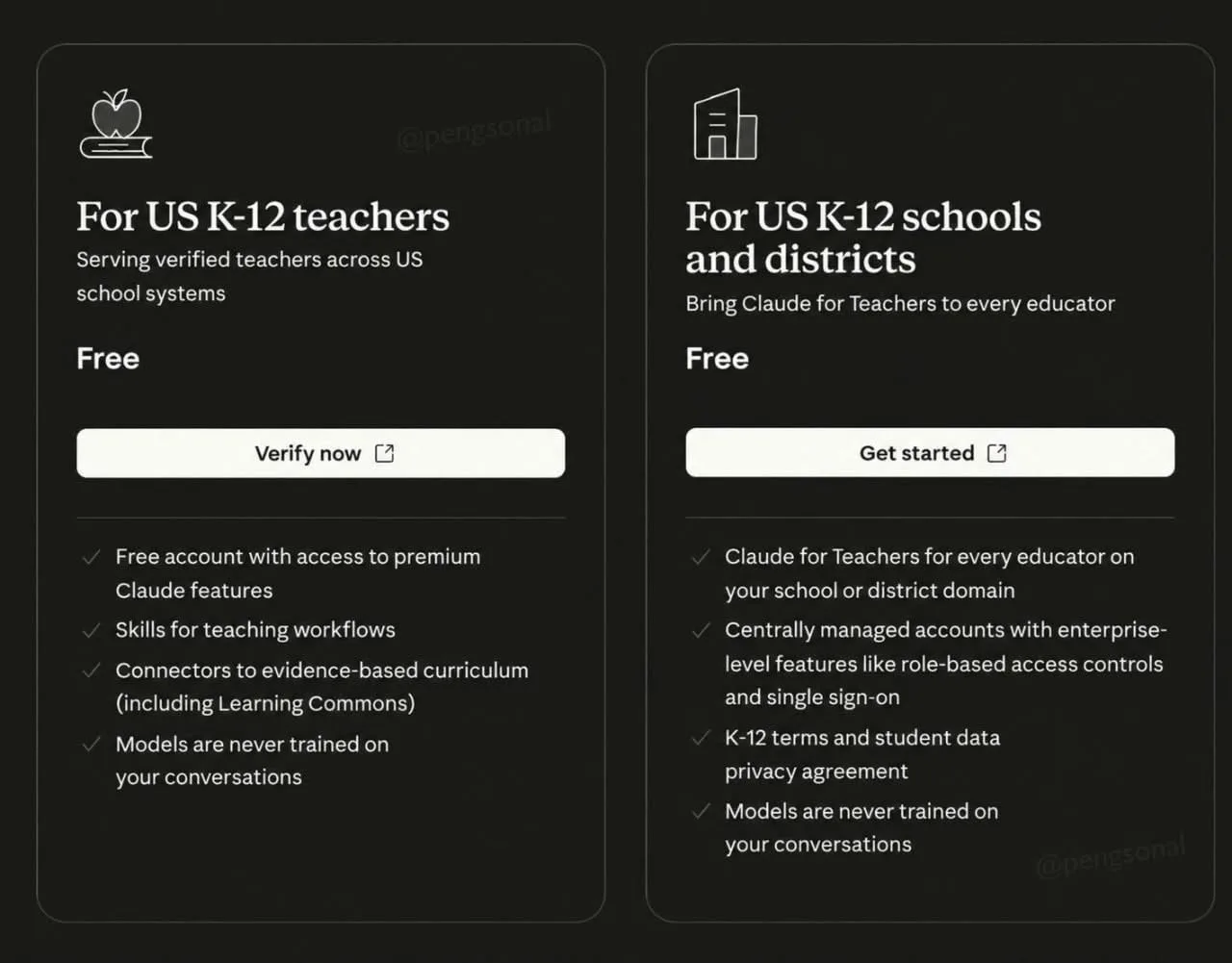 AIHow to Claim a Free Year of Claude for Teachers5d45 views
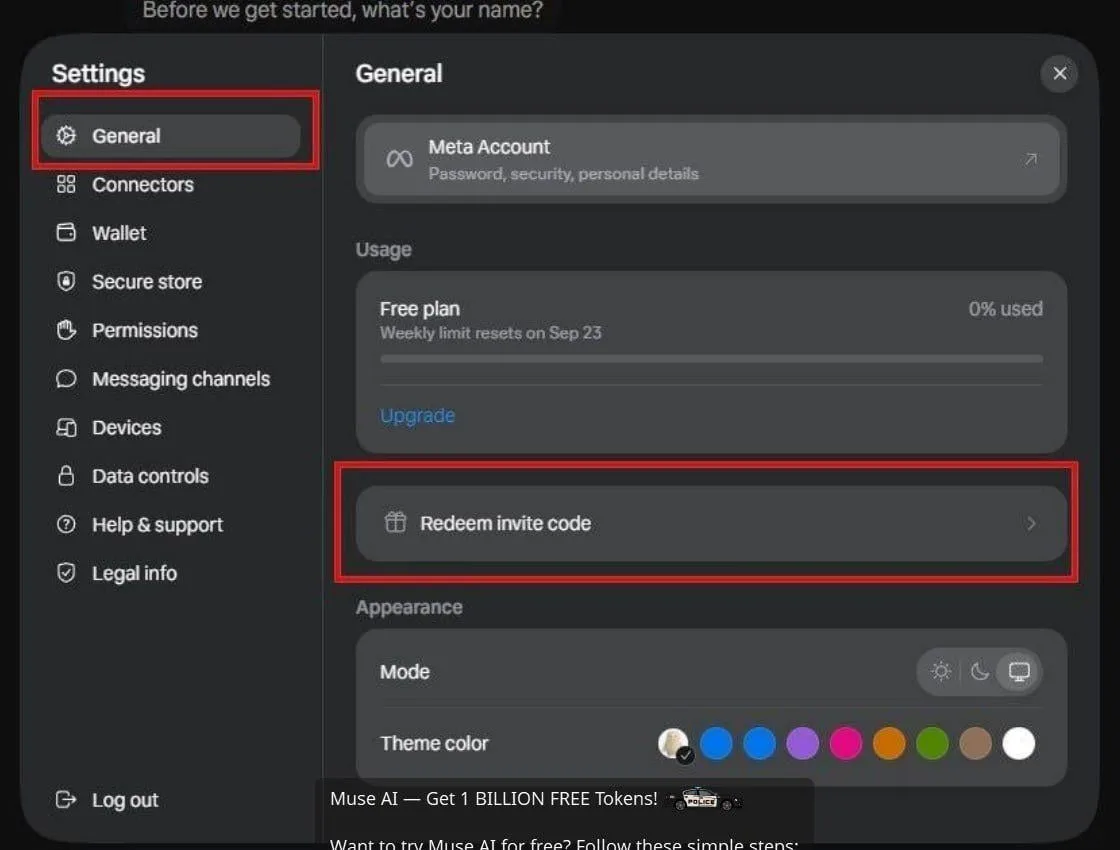 AIHow to Claim 1 Billion Free Tokens on Muse AI6d54 views
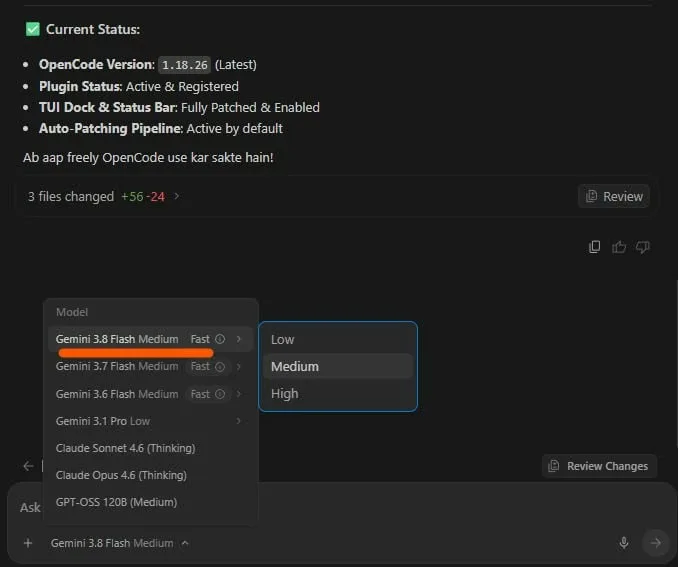 AIHow to Switch to Gemini 3.8 Flash in Antigravity IDE2w98 views
 NewsAgent-Me: Open-Source Personal AI Agent Twin You Can Audit1w49 views
Comments
Join the conversation — sign in to comment.
No comments yet — start the conversation!