
Why AI Agents May Not Need a New Chat Protocol
Wiring two AI agents together usually means adopting another protocol, another SDK, and another pile of abstractions to learn. This one is for anyone who suspects that is more machinery than the job needs. The argument here is short: agents need a decentralized text channel, and we have had one for decades.
The claim is that old open standards like IRC already solved federation, without the invisible abstraction layers the new agent protocols stack on top. Whether that holds for your setup is the question worth two minutes.
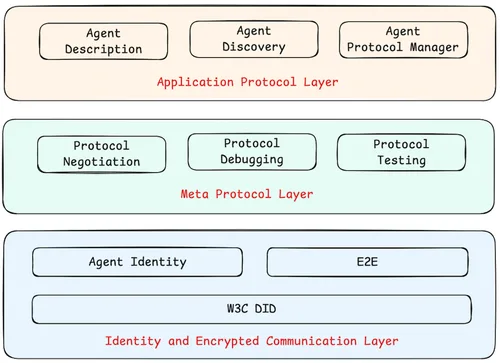
What Happened
A lot of teams are spending their time assembling brand-new protocols so their agents can talk to each other. The post argues that work is unnecessary, because an autonomous agent does not need a bespoke protocol. It needs a decentralized text substrate, and open standards that old have already proven themselves over decades. IRC is the example given: it handled federation long ago, with no extra abstractions layered on top. Parley is cited as the proof, running federated chat that speaks plain IRC and nothing else.
Why It Matters
If agent-to-agent messaging can ride on IRC, then a good chunk of the protocol work happening right now is effort spent rebuilding something that already works. The practical question for anyone running fleets of agents is which parts of the stack are load-bearing and which are decoration. Older, simpler transport also means fewer moving parts to debug when two agents fail to reach each other.
More shares you might like
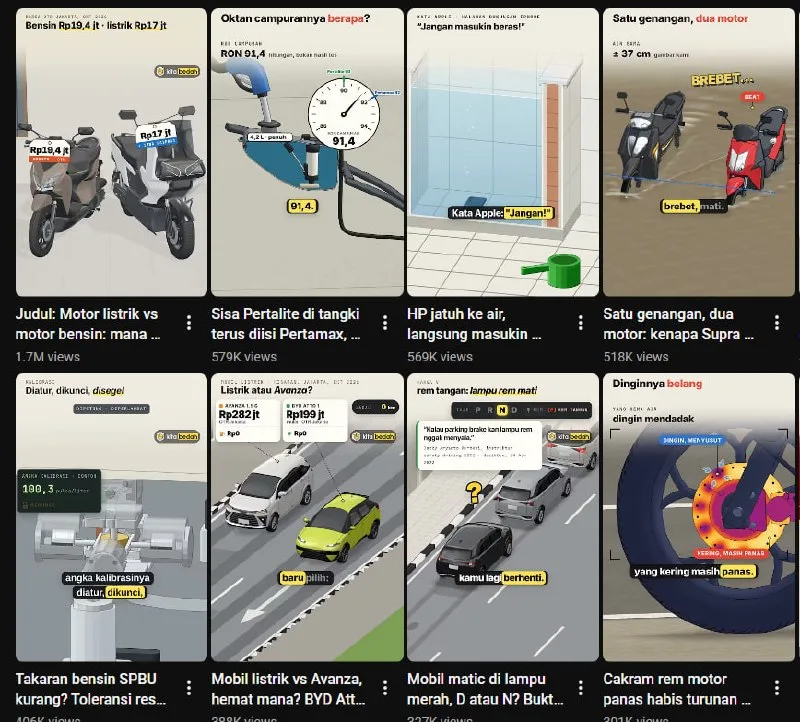 ToolsHow to Make Motion Graphics Videos With Claude1d33 views
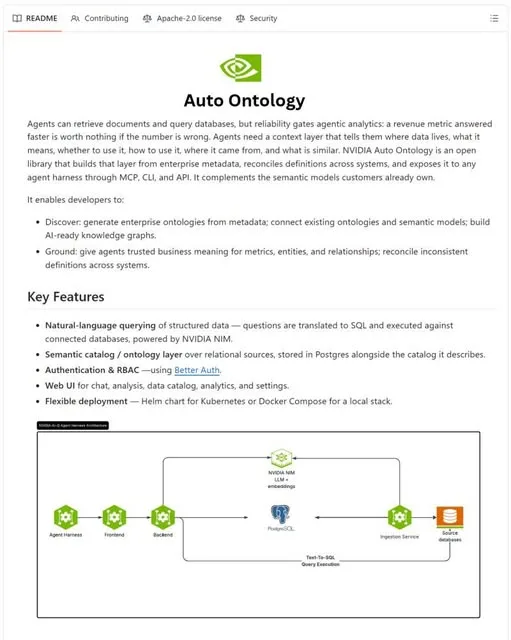 NewsNVIDIA Open-Sources Auto Ontology, a Semantic Layer for AI Agents2d46 views
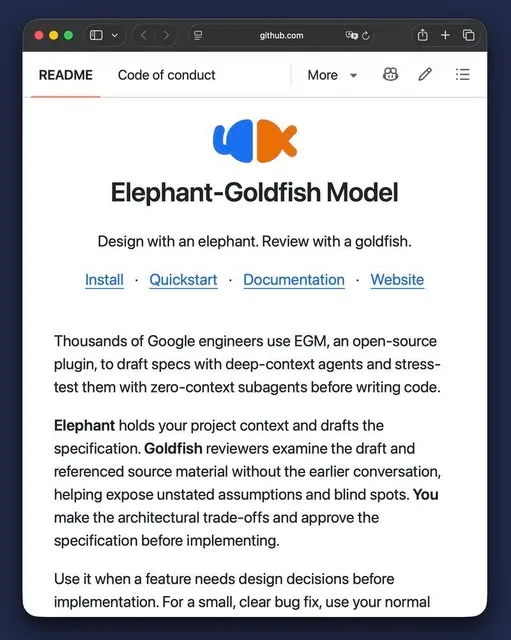 ToolsHow to Write Specs Coding Agents Can Build Without Guessing3d50 views
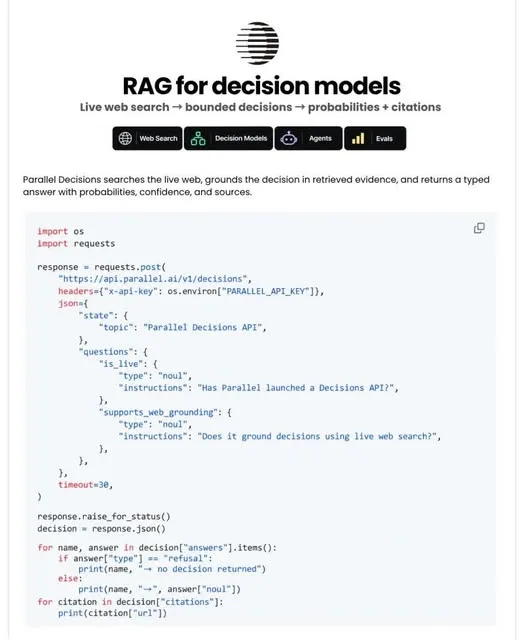 AIParallel's Decisions API Grounds Decision Models With Live Web Search4d55 views
 How to Claim 1B Muse AI Tokens4d103 views
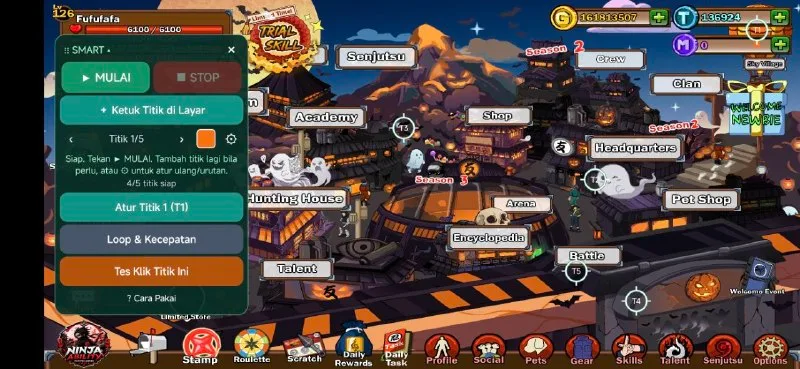 ToolsHow to Use Rich Clicker Macro's Smart Auto Clicker5d59 views

Comments
Join the conversation — sign in to comment.
No comments yet — start the conversation!