
OpenResearch Turns Claude Code Into a Research Agent
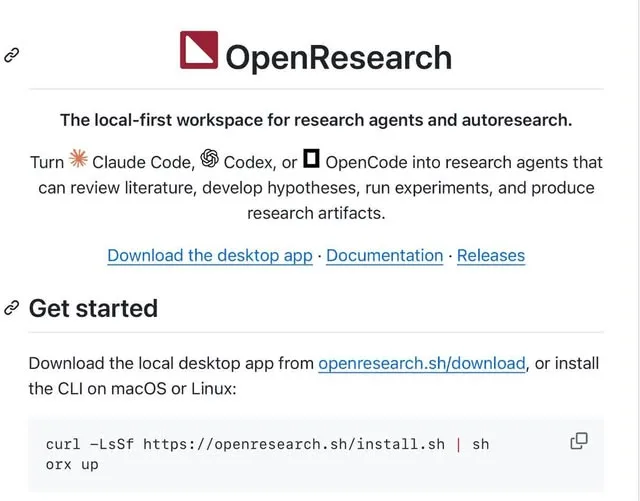
Tired of research projects where the result shows up but nobody can say how you got there? OpenResearch by alphaXiv points a coding agent at the whole research loop instead of one paper at a time.
It wires Claude Code, Codex, or OpenCode into a research agent, and every experiment along the way gets tracked, so a finished result still has its evidence attached.
What Happened
OpenResearch by alphaXiv turns Claude Code, Codex, or OpenCode into what it calls a Research Agent. Instead of a researcher doing each step by hand, the agent works a repeating loop: research, idea, code, experiment, verify, then the next step.
Each research track gets its own session, so separate lines of work do not run into each other. Experiments run in separate Git worktrees, and results are linked back to commits. Logs, code diffs, and outputs are stored with the experiment they came from.
It runs on Local, SSH, Slurm, Kubernetes, and Modal. SQLite is the default, and the data stays on your machine.
Why It Matters
This is not just an AI that reads research papers. It is closer to an AI that helps run the loop, with the trail kept intact. When someone asks how you got a result, you can trace it back through the experiment tree: research, experiment, evidence, next experiment.
For anyone running repeated experiments, that traceability is the part worth watching. You can follow the loop from one experiment to the next without rebuilding the record by hand every time.
More shares you might like
 ToolsHow to Make Motion Graphics Videos With Claude1d33 views
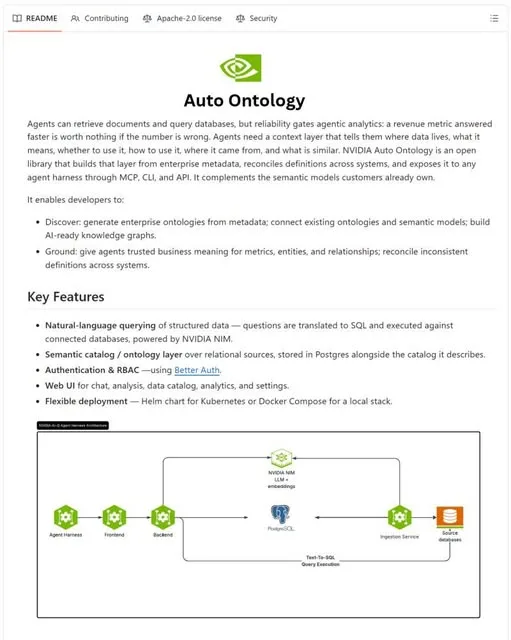 NewsNVIDIA Open-Sources Auto Ontology, a Semantic Layer for AI Agents2d46 views
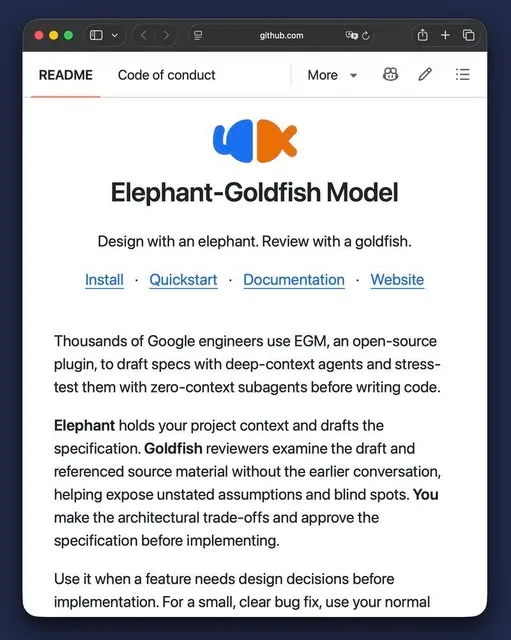 ToolsHow to Write Specs Coding Agents Can Build Without Guessing3d50 views
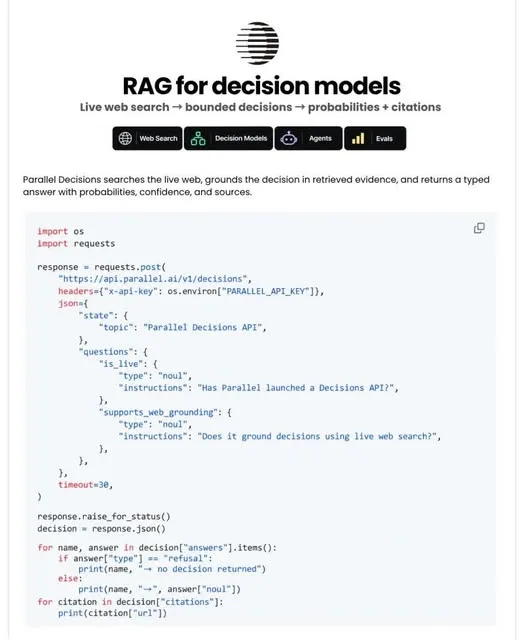 AIParallel's Decisions API Grounds Decision Models With Live Web Search4d55 views
 How to Claim 1B Muse AI Tokens4d103 views
 ToolsHow to Use Rich Clicker Macro's Smart Auto Clicker5d59 views

Comments
Join the conversation — sign in to comment.
No comments yet — start the conversation!