DeepSeek Open Sources Its Agent Harness
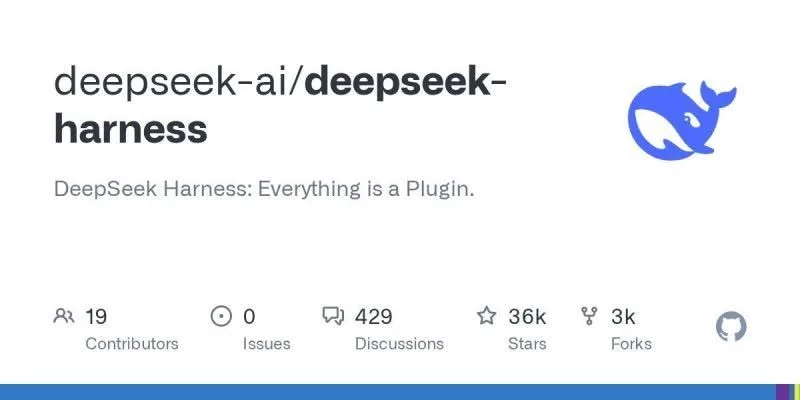
If you build AI agents, the runtime underneath them just got more interesting. DeepSeek open sourced its Agent Harness, and the repo already has more than 44,000 stars.
What Happened
DeepSeek Harness (dsh) is built around a simple but strong idea: everything is a plugin. Model adapters, tools, the agent loop, persistence, skills, subagents, sandboxing, compaction, even parts of the UI all register as capabilities you can swap. Nothing is locked into one monolithic runtime.
Plugins can register a capability like ctx.tools or ctx.llm. Other components depend on the capability, not on a specific implementation. Dependencies are declared up front, so plugins wait for the services they need instead of relying on startup order. Registrations can be rolled back too: tools, adapters, prompt sections, providers, and event listeners are installed as effects, so unloading or reloading a plugin reverts its changes.
The part that stands out is the Context Layer. Before every model step, an agent/pre-step hook receives the messages bound for the request. Plugins can inspect them, change them, or reject the step. Other extension points control how the system prompt is built, which tools the model can see, how context is added, and how compaction works. Context engineering no longer has to be hacked into the core agent loop.
Sessions follow the same idea. They are append-only logs of typed events, and model history is rebuilt from that log. DeepSeek's invariant: any information the model sees has to be reconstructable from the session record. There is also official subagent support, including delegating tasks to Claude Code and Codex, plus in-process and ACP-based subagents.
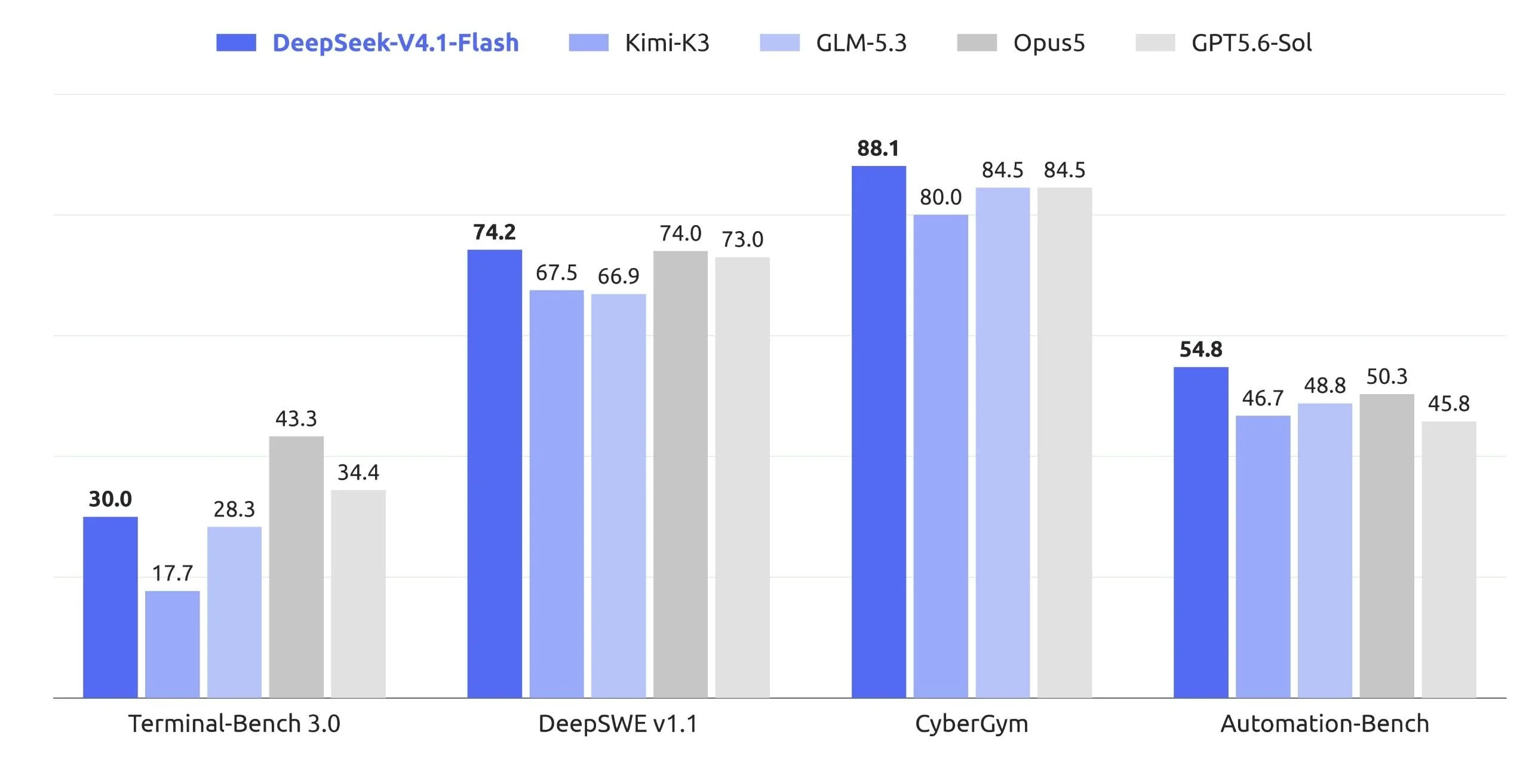
One warning: this is still a Developer Preview, and DeepSeek says compatibility-breaking changes are expected. The runtime is public, extensible, and MIT-licensed. DeepSeek also confirmed that the V4-Flash code agent benchmarks used a minimal version of this harness.
Why It Matters
You can now shape how an agent serves requests without forking the framework and owning its maintenance. The context layer in particular gives you clear, defined places to do context engineering instead of patching the core loop. If you work on AI agents, this architecture is worth a look.
Does this still work?
Nobody's checked yet
Sign in to tell everyone how it went.
Continue with GoogleBe the first — one tap saves the next person an hour.
It takes 3 reports in 30 days to set the status.
More shares you might like
 AIHow to Get Free $200 Funds on Digital Ocean1y841 views
 AIHow to Claim 100M Free Tokens on CodeCraft API1w741 views
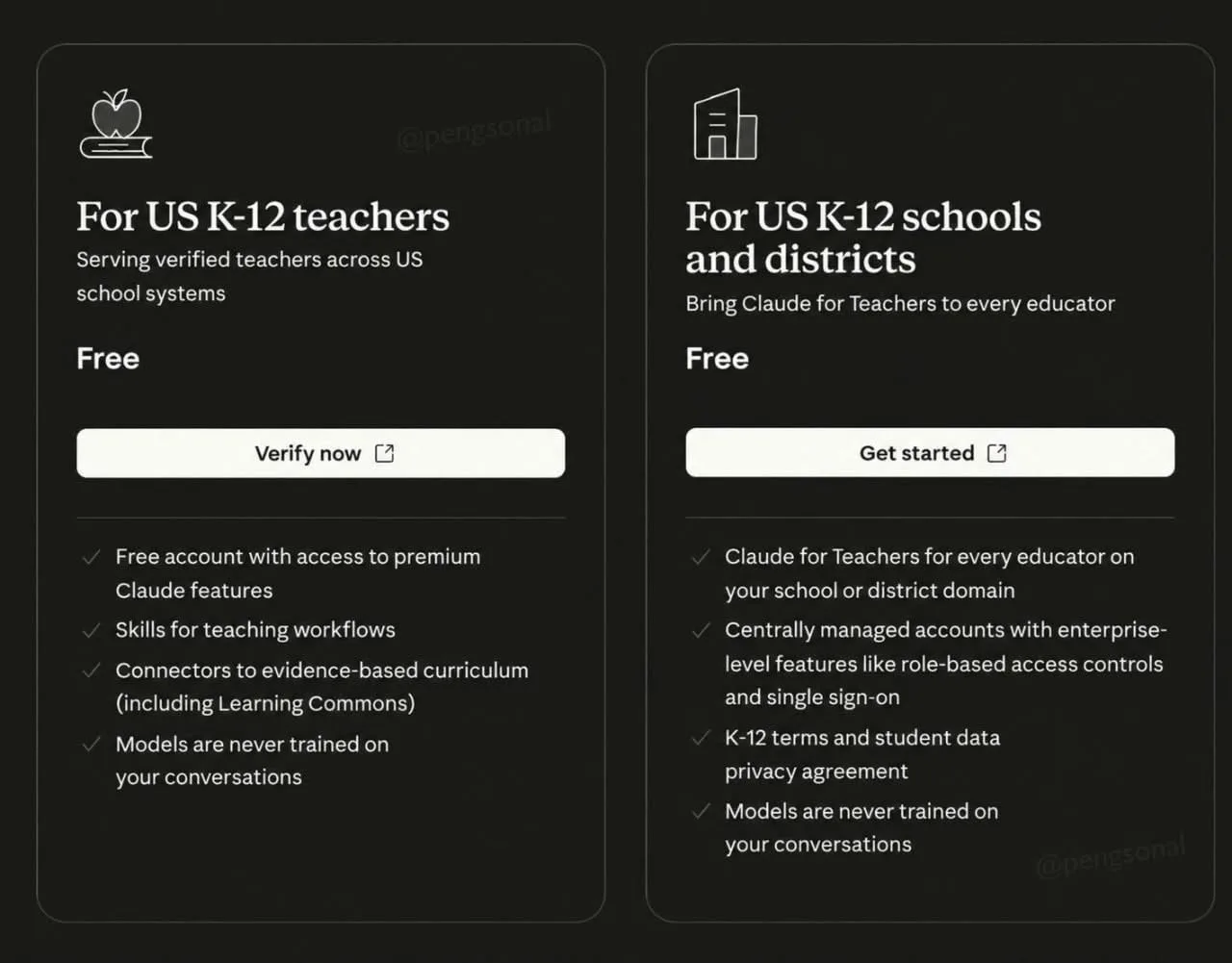 AIHow to Claim a Free Year of Claude for Teachers6d52 views
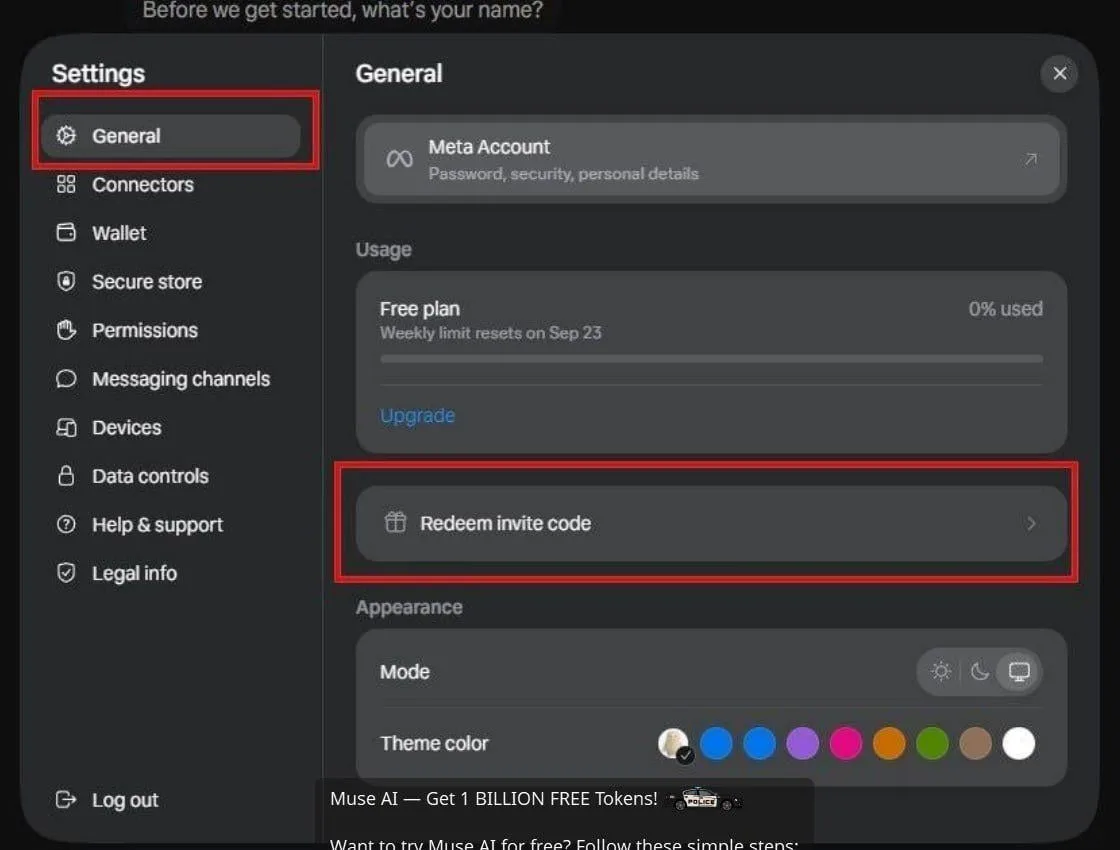 AIHow to Claim 1 Billion Free Tokens on Muse AI1w61 views
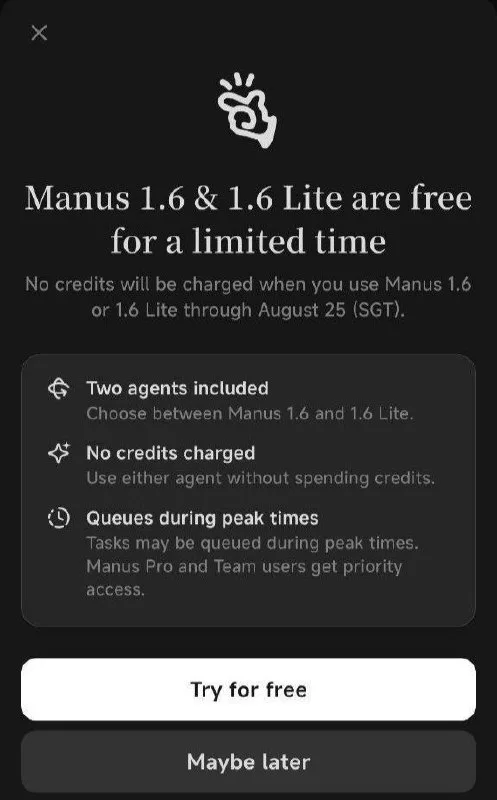 ToolsHow to Get Free Manus AI Agent Access1mo103 views
 NewsDeepSeek V4.1 Flash Tops the CyberGym Security Benchmark1w76 views
Comments
Join the conversation — sign in to comment.
No comments yet — start the conversation!